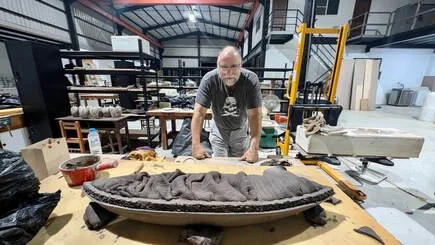
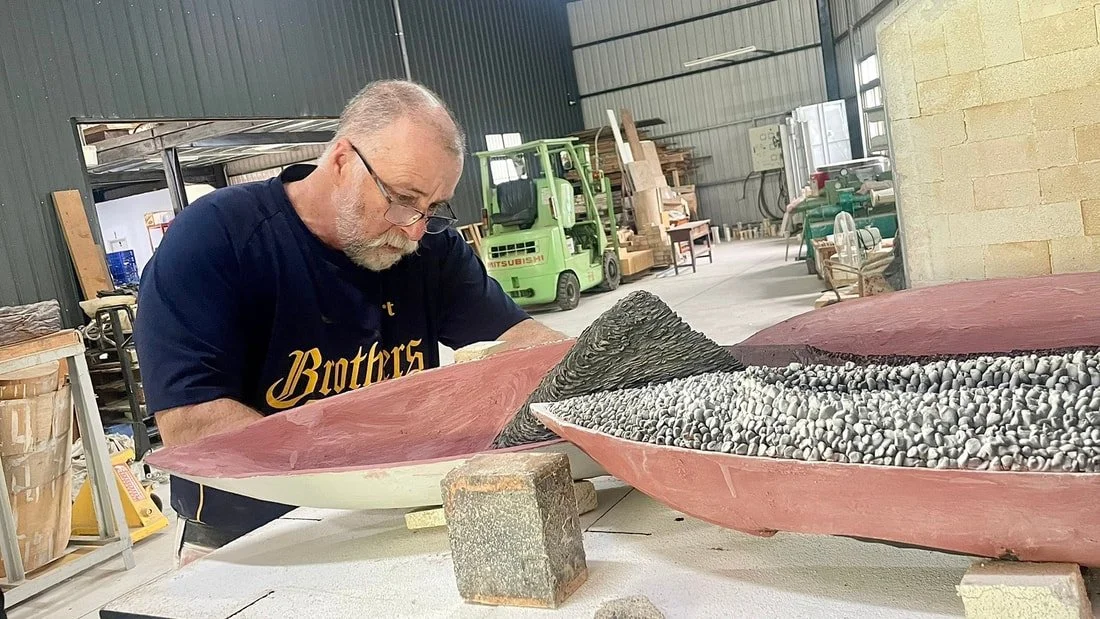
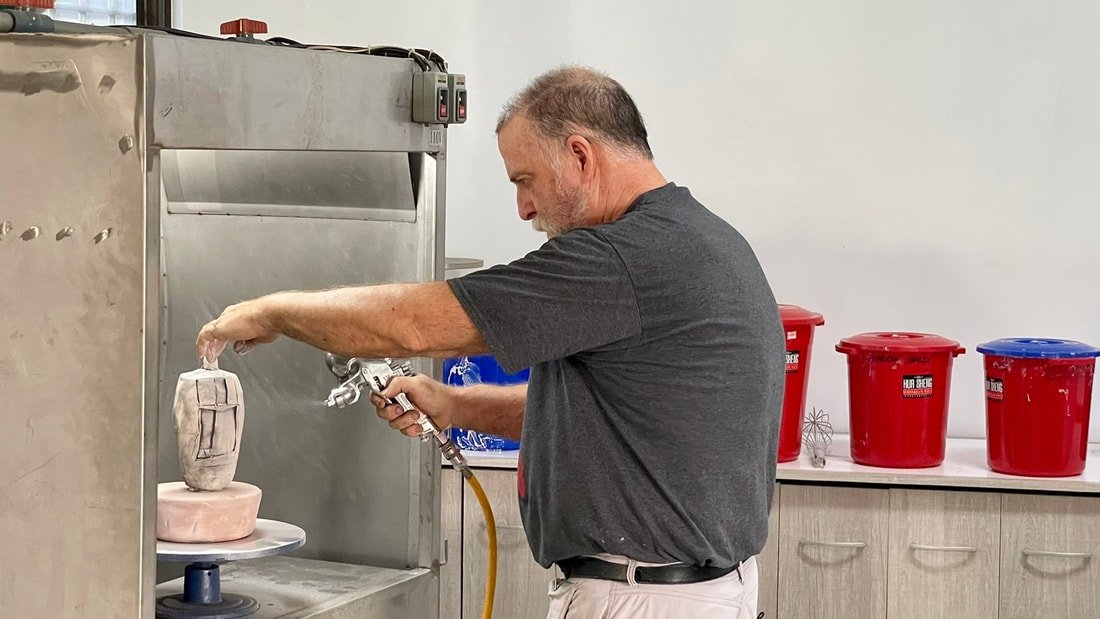
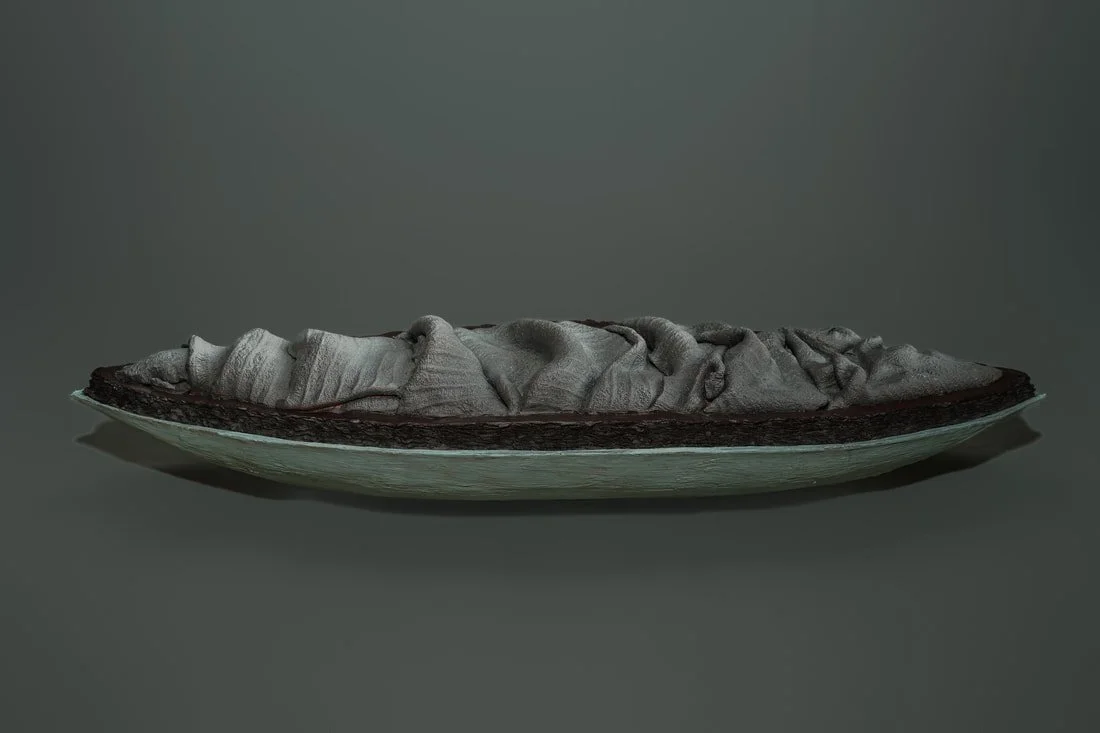
Scott Meyer 1985年畢業於美國賓州州立大學藝術教育博士。畢業後任教於阿拉巴馬州蒙特瓦洛大學藝術教授,至今將近40年。
擁有豐富的展覽與講座經歷的藝術家Scott,作品永久典藏於South Bend Museum 、Ohi Museum,也曾登上陶瓷期刊的發表,於2017年在台南藝術大學擔任駐校藝術家,及2020年在鶯歌陶瓷博物館舉辦個展。並專研柴燒與熱愛傳統技術的表現,是一位資深的柴燒藝術家。
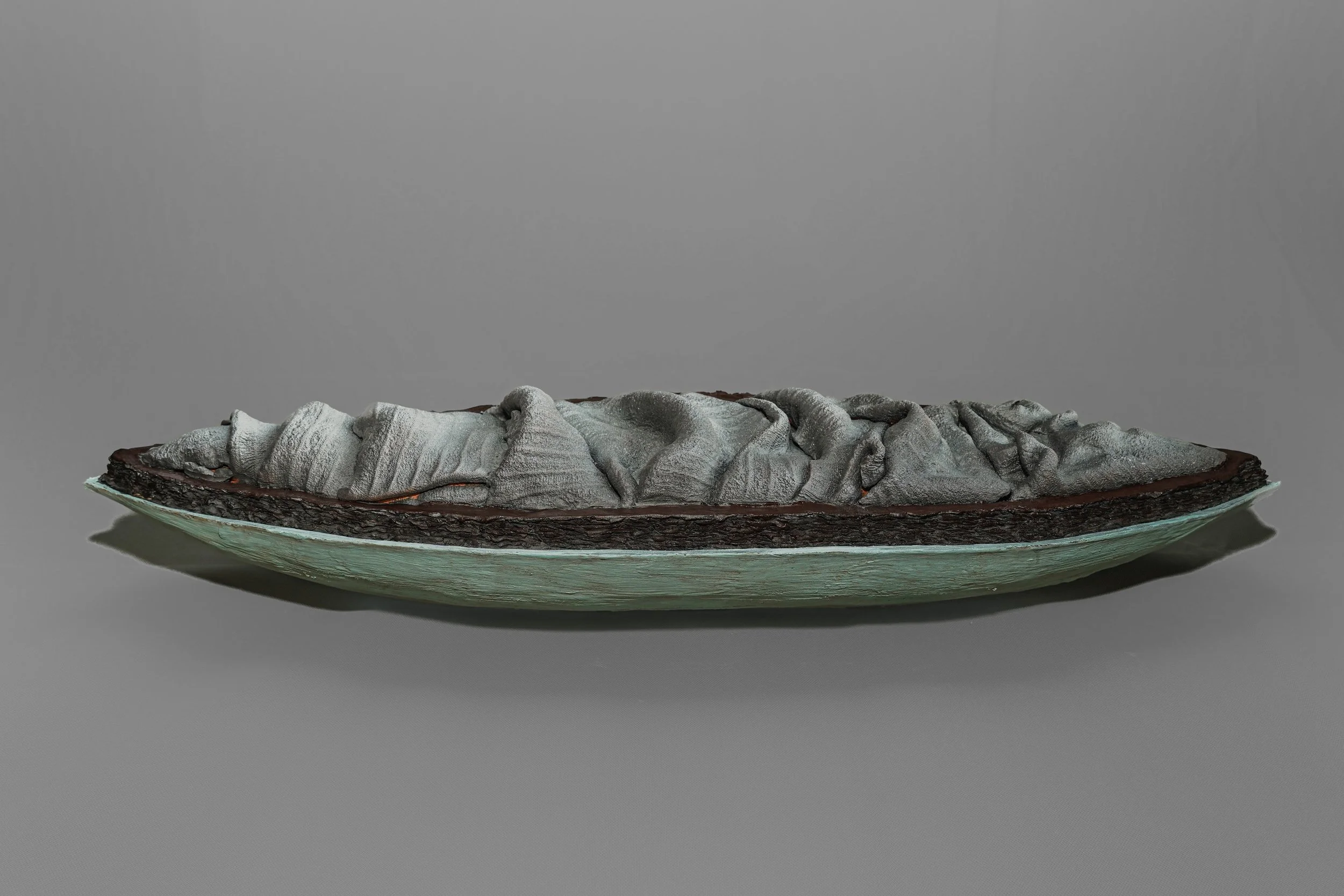
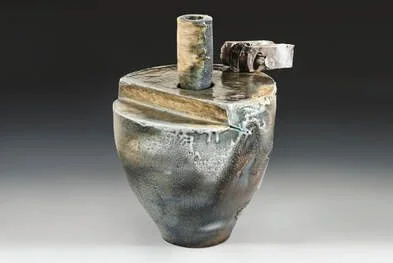
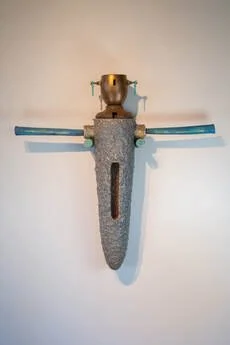
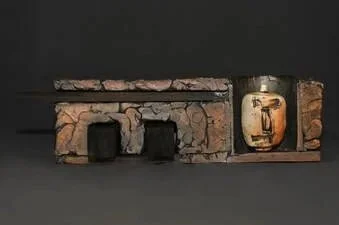
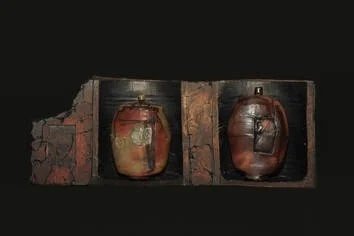
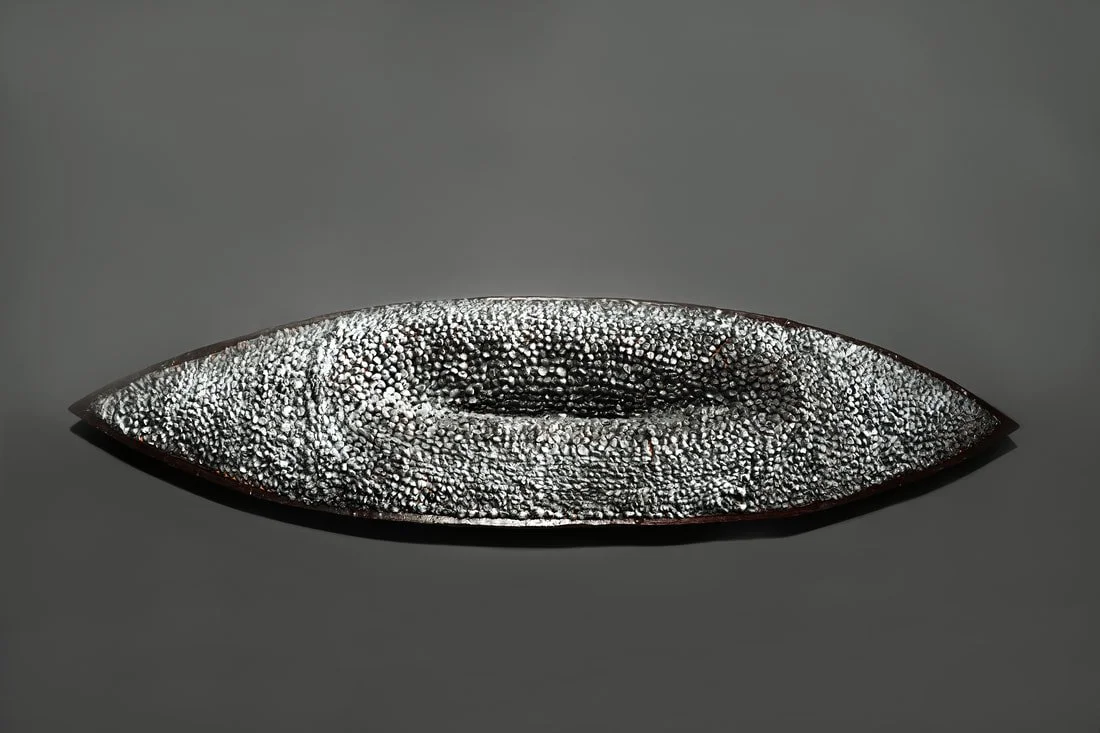
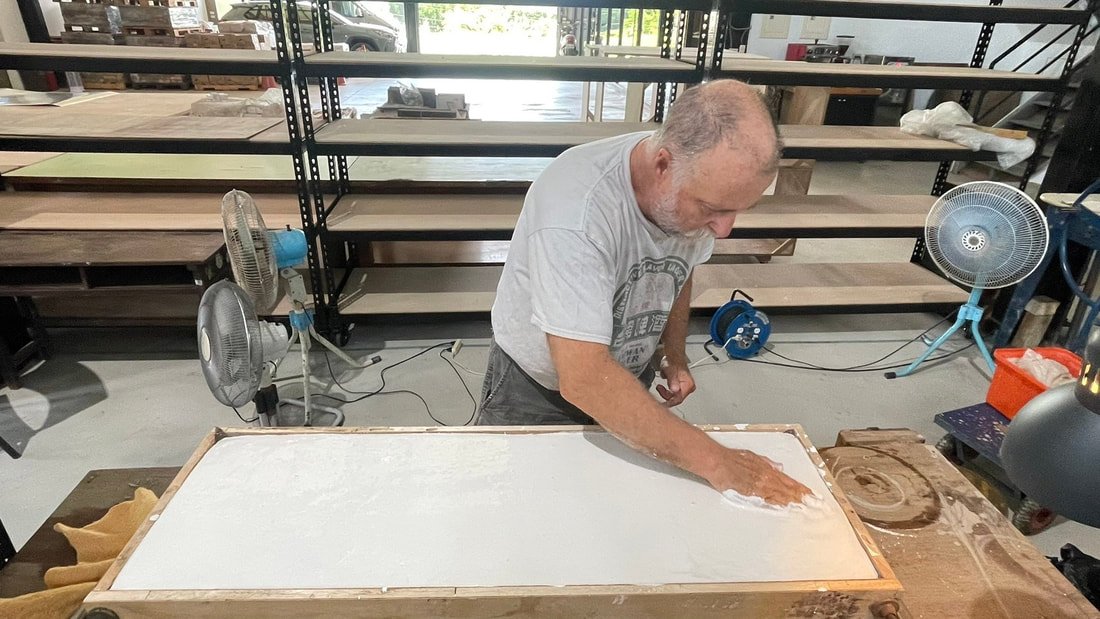
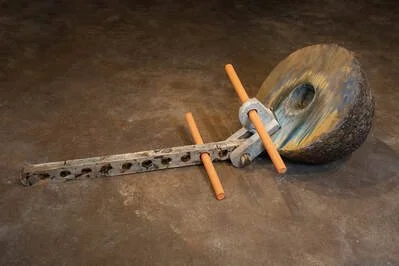
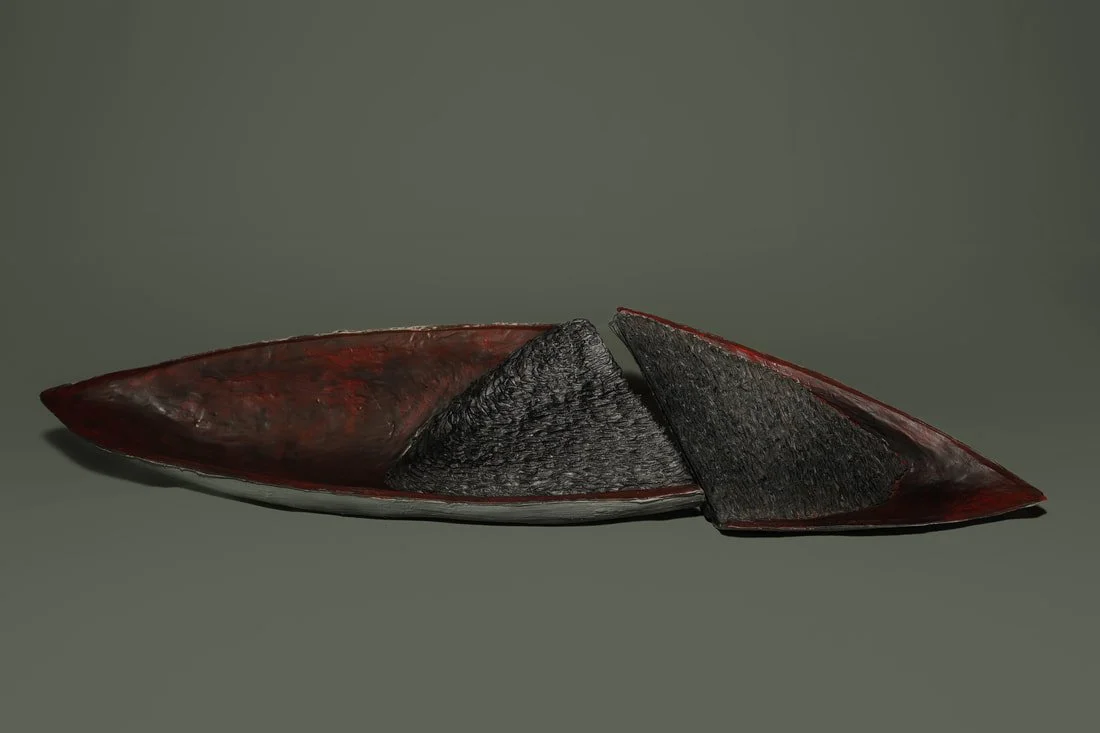
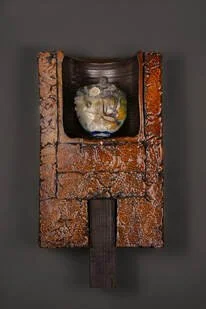
對Scott而言,工業設備「坩堝」,表現了高溫與工業的製作過程,也是最具有說服力的工業歷史文化呈現,並成為他的藝術作品象徵。
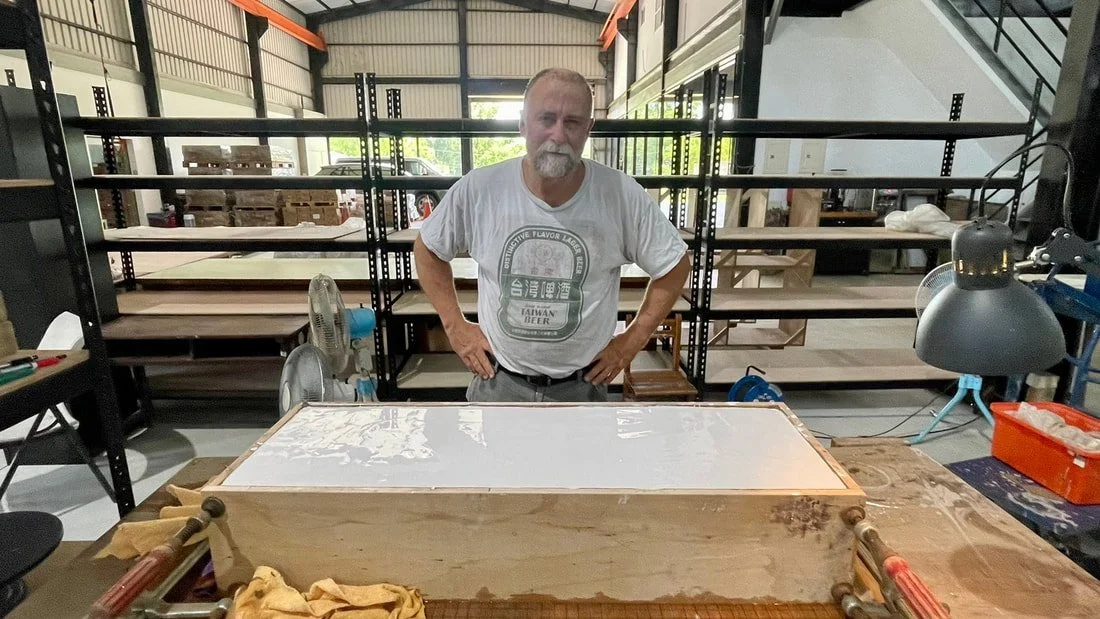
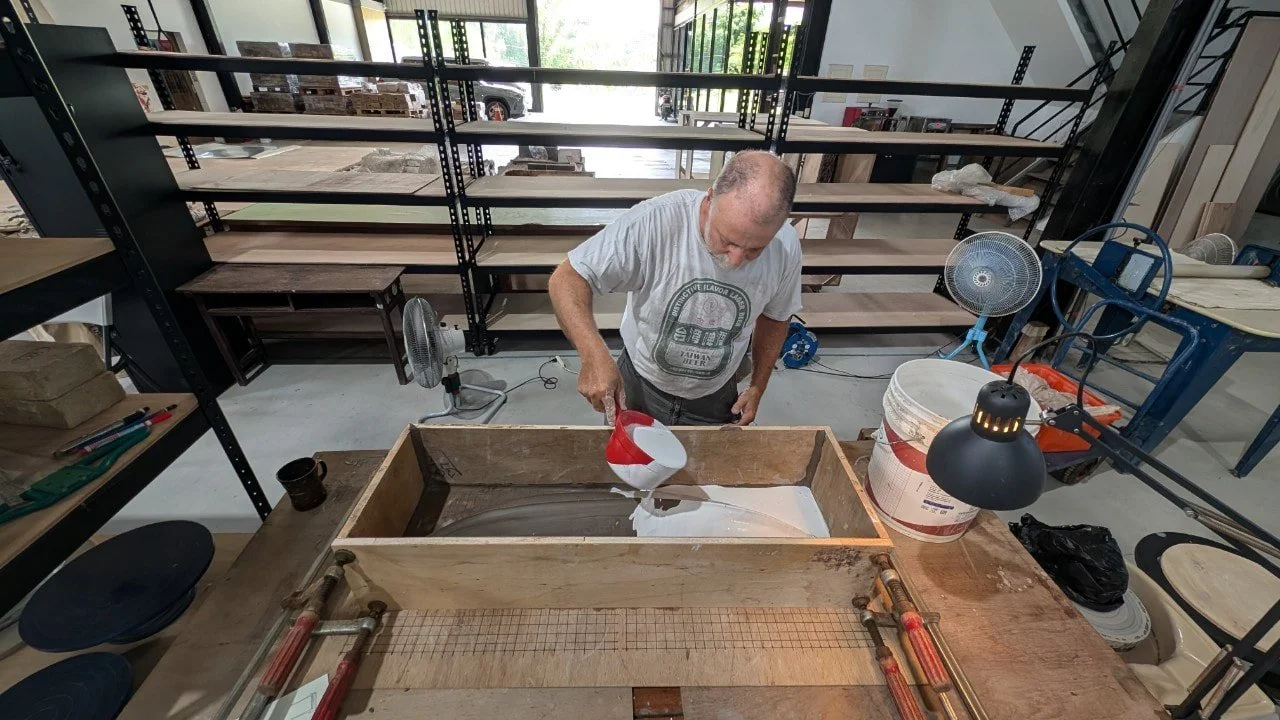
「坩堝」的使用過程上,包含了注入、過濾、傾倒、加熱、冷卻、轉變,一系列的過程往往促進與人之間的連結,而這些過程從簡單的形式提煉出本質,變成一個獨特性的存在。
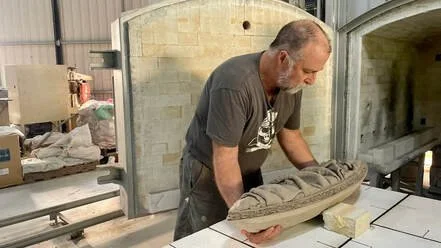
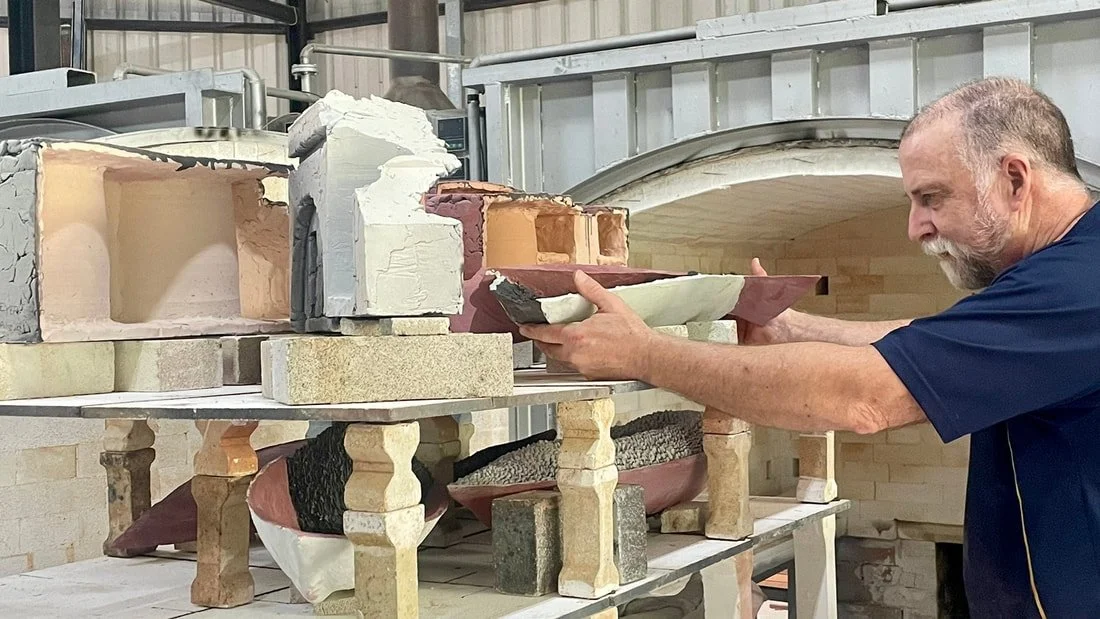
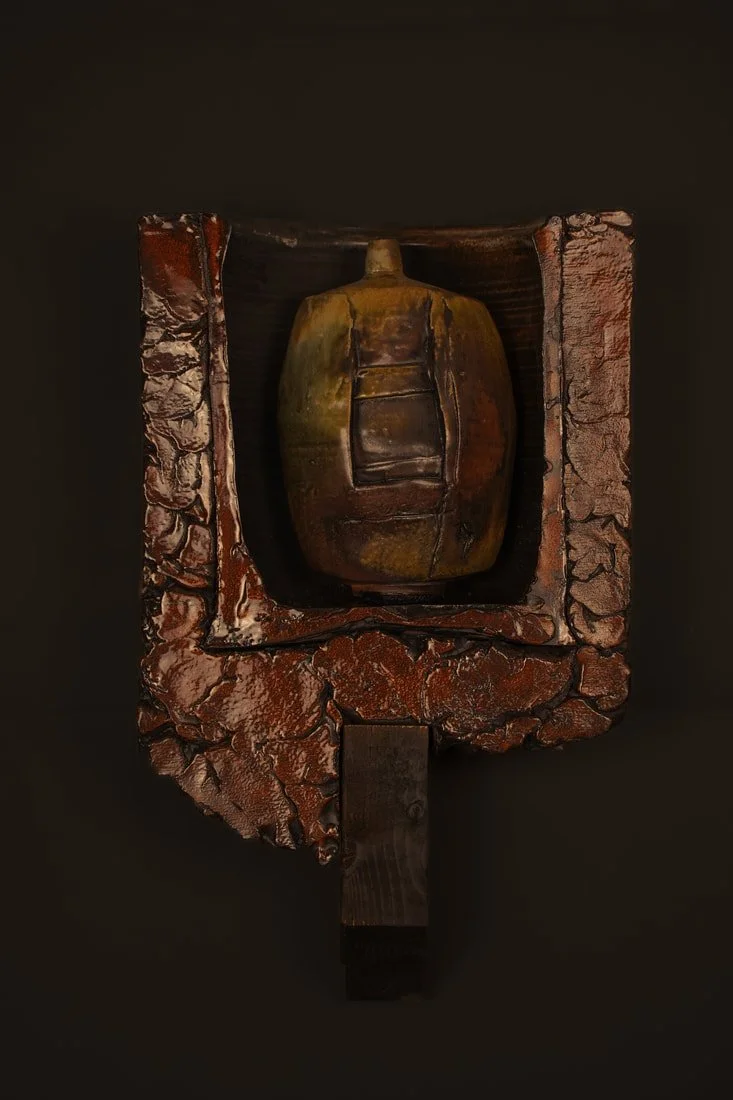
所以,他從中探討及研究,著迷於其中的元素、物質性,並透過穴窯(Anagama)的燒成,一一呈現火痕的紋理與落灰灑落的沉著色彩及結晶。
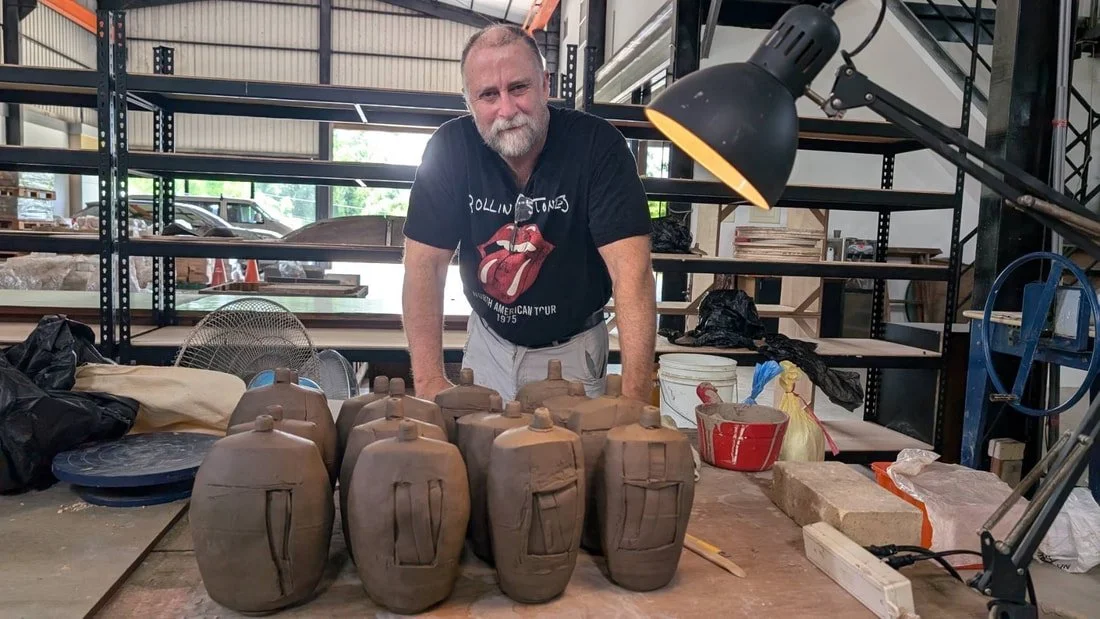
柴燒的勞動付出,傳承了傳統的工藝,如同「坩堝」的煉金術與變革,具有工業的代表性、思考力也是傳統技術的延續。
Scott Meyer is an American artist who earned a Ph.D. in Art Education from the Pennsylvania State University in 1985. After graduating, he taught at the University of Montevallo in Alabama, where he is now a professor of the Art Department for nearly 40 years.
Scott is an artist with rich experience in exhibitions and lectures, and his work is in the permanent collection of the South Bend Museum and the Ohio Museum. He has also been published in international journals and was an artist-in-residence at Tainan National University of the Arts in 2017. In 2020, he had a solo exhibition at Yingge Ceramic Museum.
Specializing in wood-firing, he is passionate about the expression of traditional techniques. He is an accomplished and experienced wood-firing artist.
For Scott, the industrial equipment "crucible" represents the high heat and industrial production process. It is also the most convincing presentation of industrial history and culture, and has become a symbol of his artistic works.
The process of using "The Crucible" involves containing, funneling, sifting, pouring, heating, cooling, and transforming, a series of processes that often facilitate a connection with the human being, and these processes distill the essence from the simple form into a unique existence.
Therefore, he explores and researches in the process, fascinated by the elements, physically, and through the firing of the Anagama, the texture of the fire traces and the subdued colors and crystals of the ash sprinkles are presented one by one.
The labor involved in wood-fired inherits traditional craftsmanship, just like the alchemy and transformation of the "crucible," which is representative of industry, and is a continuation of the traditional technology with its power of thought.