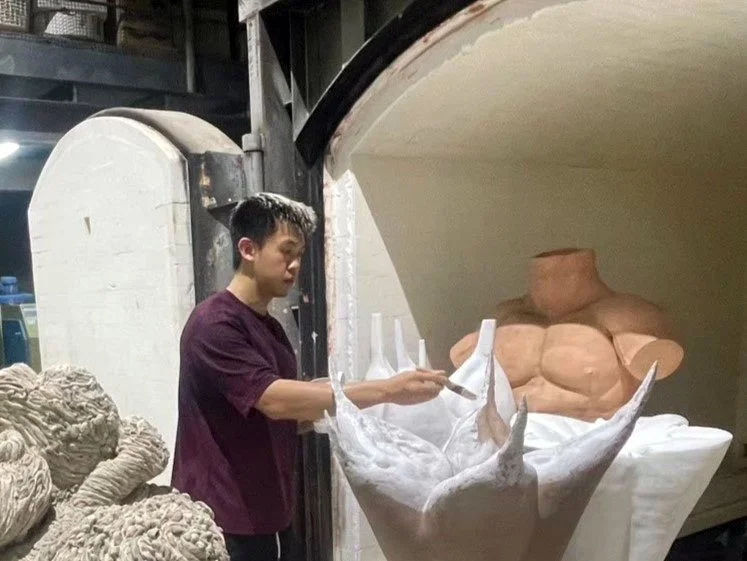
台灣藝術家羅國朕畢業於國立臺南藝術大學應用藝術研究所陶瓷組,曾擔任柴燒與樂燒活動指導講師。其創作以自身的身體經歷,進而關注身體作為記憶載體的多重意涵——當身體不再象徵完整,而成為記憶與傷痕的留白的場域時,觀看者的視角也隨之被重新定位。讓身體成為被觀看、被保存、被想像的對象,並使觀看者在無法確定的經驗中,以倫理為出發點,作為破碎、失語形體的回應。
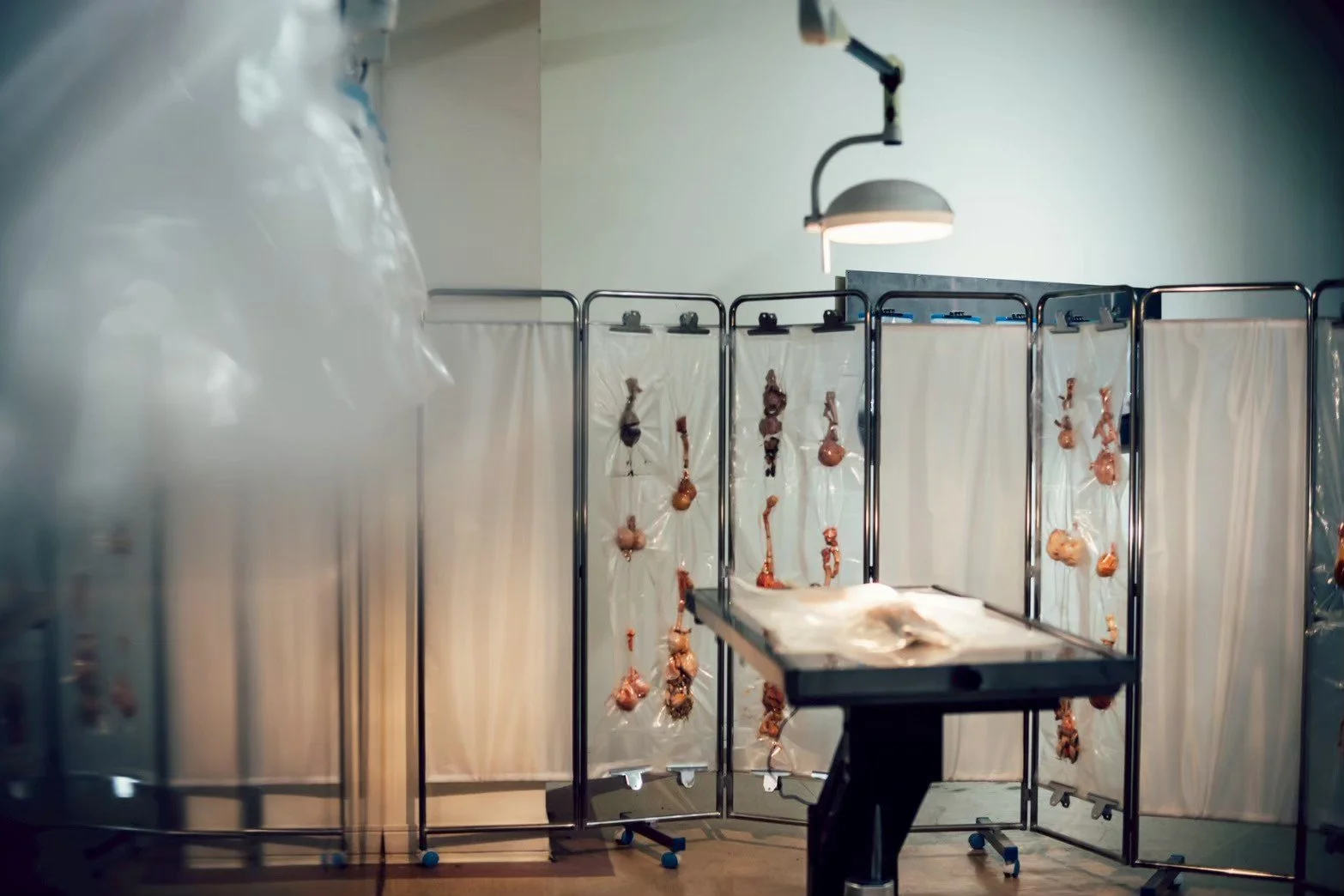
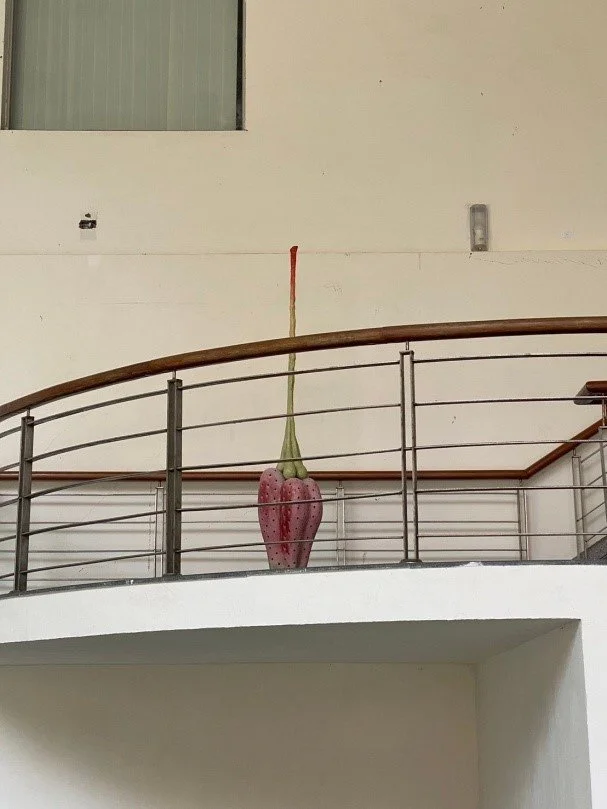
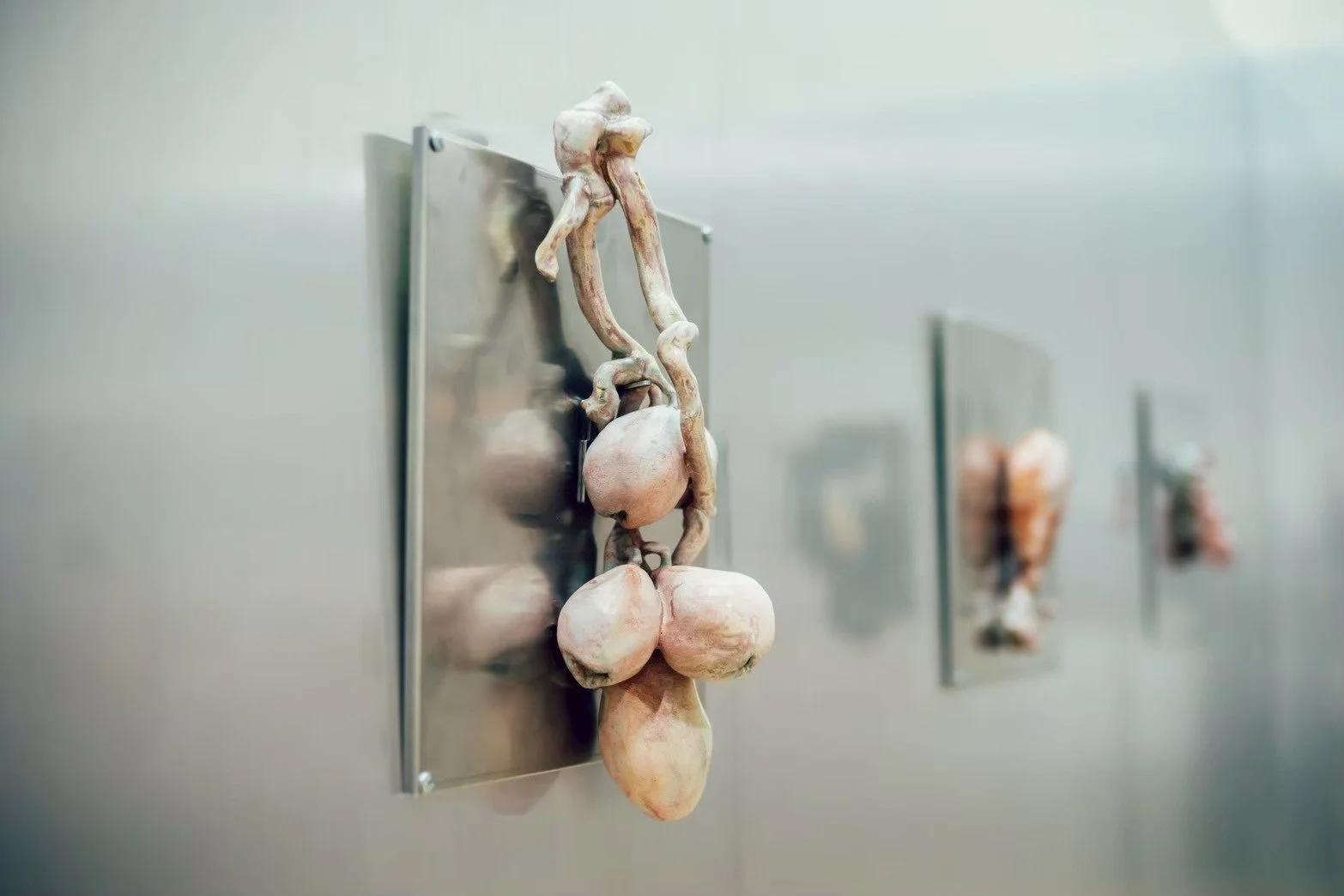
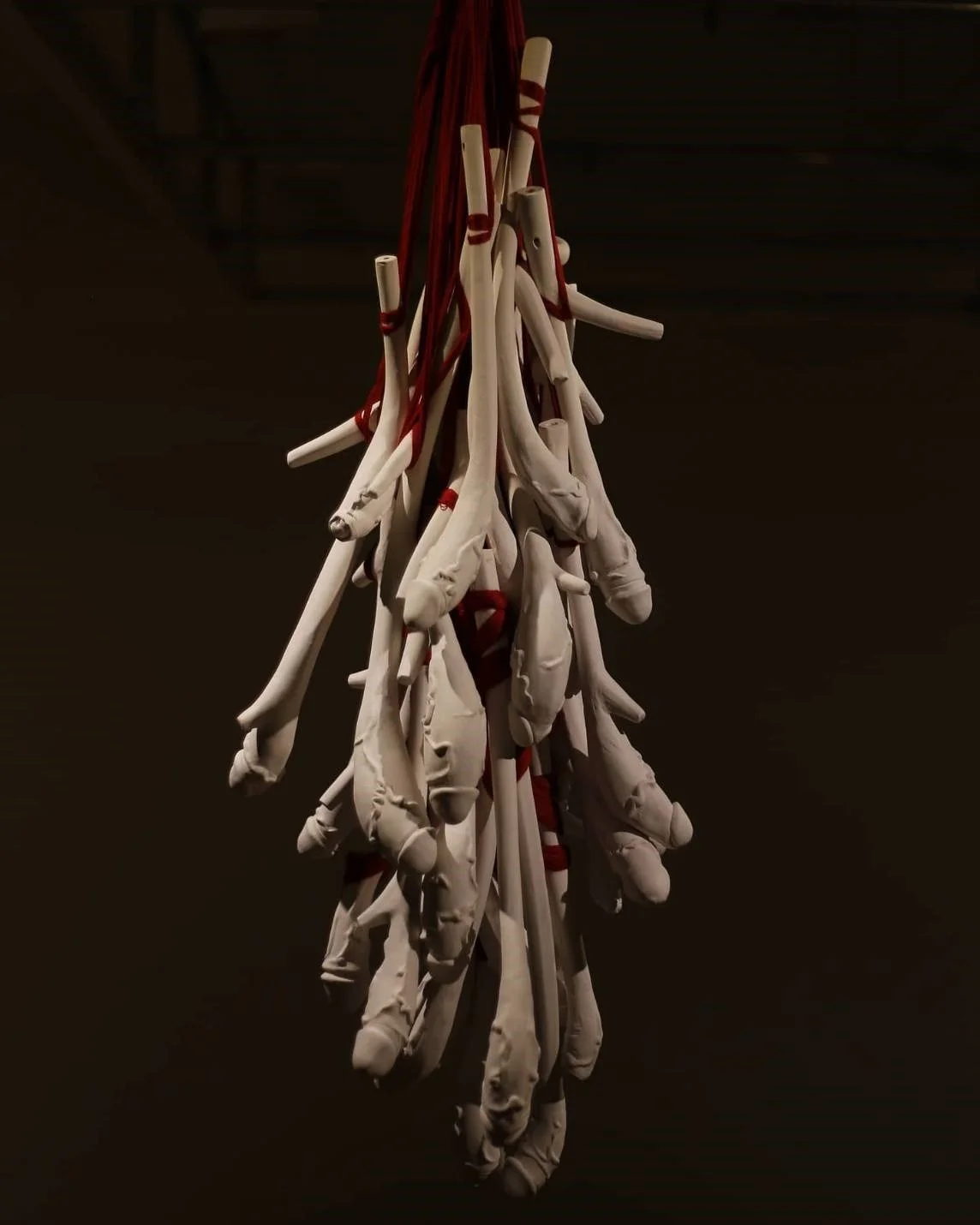
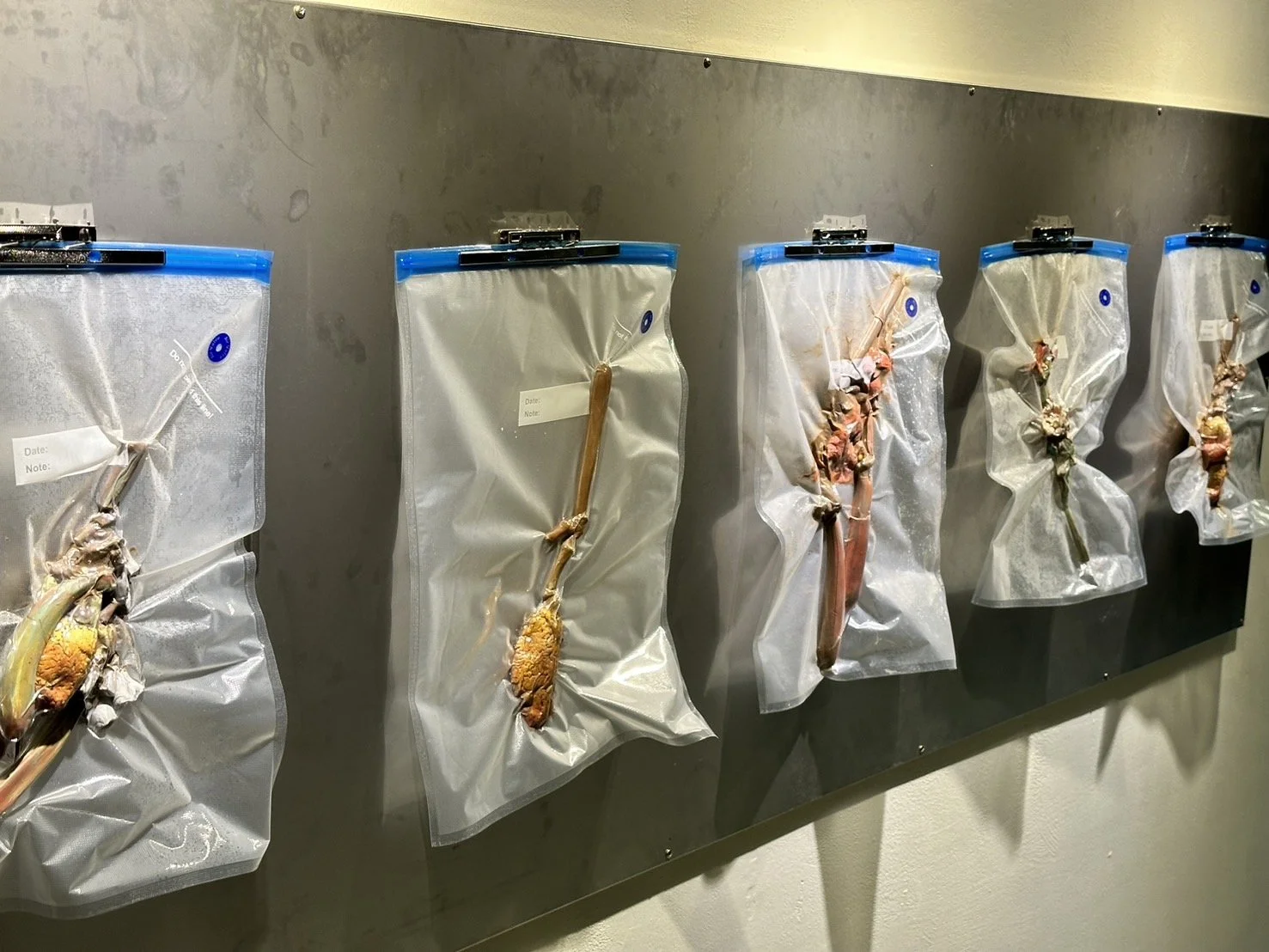
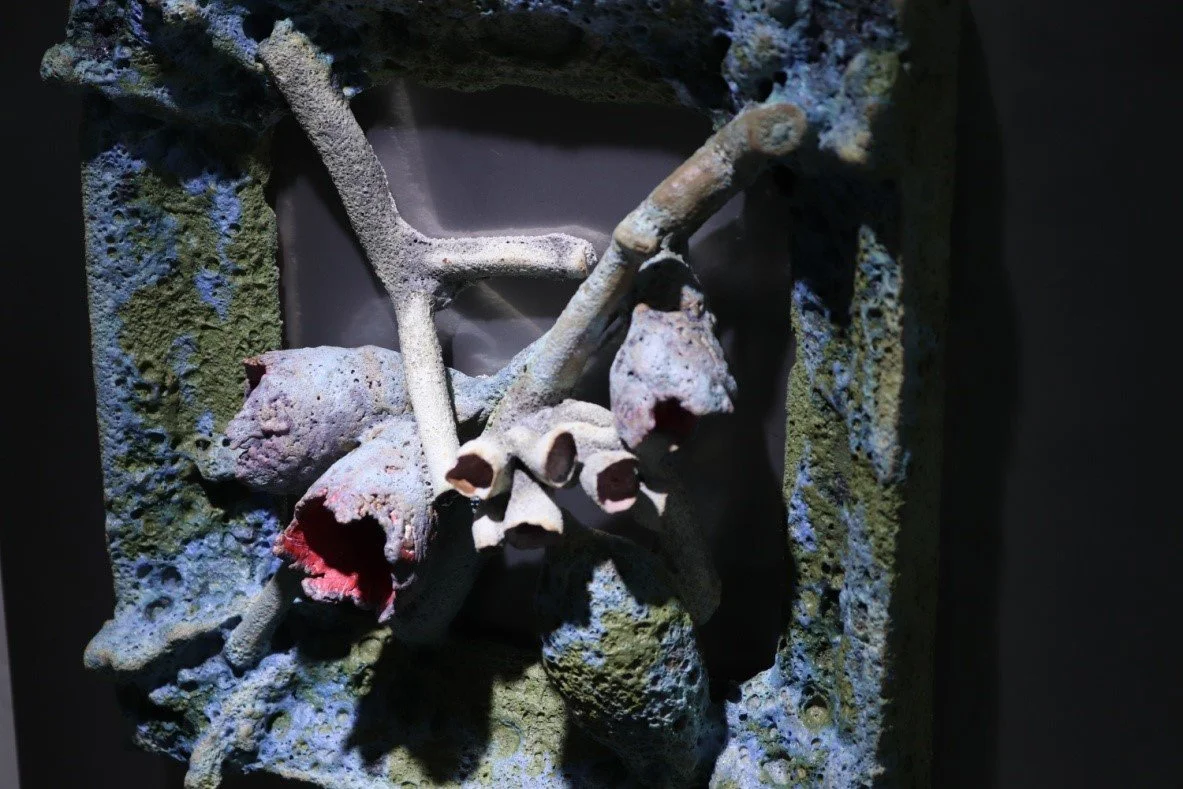
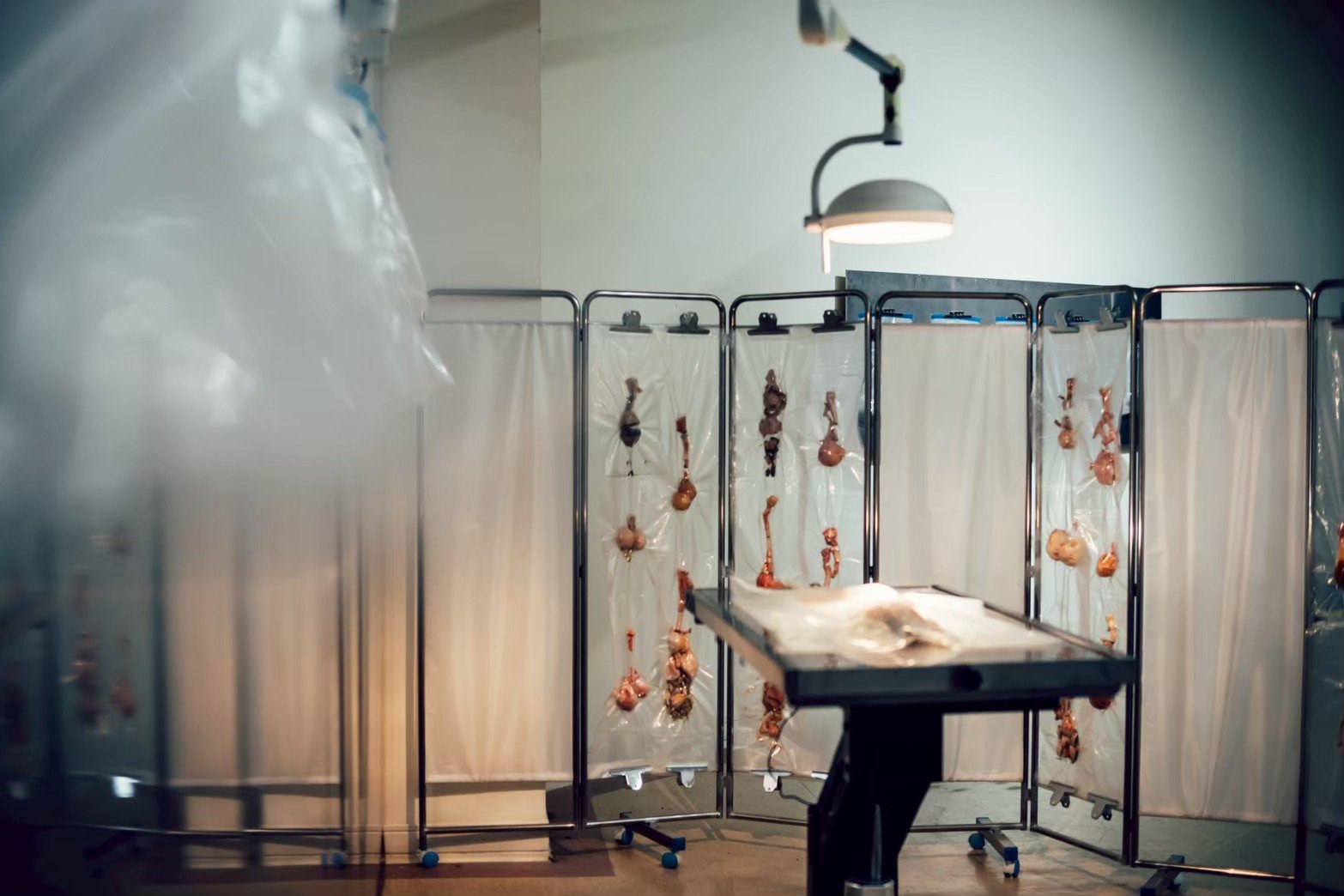
國朕的作品不僅呈現形體的生成,更延伸至破裂之後的持續存在。他以高溫燒製的陶土其固定的某種瞬間姿態,也以未燒的泥態封存於真空袋中,使作品「保存」卻也同時「破壞」,令觀者在寧靜欣賞的過程中,想像經由抵抗、妥協、遺憾的交錯心境,建立一種關於時間、身體與記憶的對話。
Taiwanese artist Guo Jhen Luo graduated from the Graduate Institute of Applied Arts, Department of Ceramics, at Tainan National University of the Arts. He has served as an instructor for wood firing and raku workshops. Guo Jhen’s creations stem from his own bodily experiences, leading him to explore the body as a vessel of memory and its multiple layers of meaning. When the body ceases to symbolize wholeness and instead becomes a space of absence marked by memory and scars, the viewer’s perspective is also redefined. The body thus becomes an object to be observed, preserved, and imagined—prompting viewers, through uncertain experiences, to respond ethically to fragmented and speechless forms.
Guo Jhen’s works not only present the formation of the physical form but also extend to its continued existence after rupture. By using high-fired clay to capture a certain fixed momentary posture and by sealing unfired clay bodies in vacuum bags, he creates works that are simultaneously “preserved” and “destroyed.” In the quiet act of viewing, audiences are invited to imagine an emotional dialogue interwoven with resistance, compromise, and regret—establishing a contemplation of time, the body, and memory.